
Rakesh Jhunjhunwala, often called India’s Big Bull, was one of the most influential investors in India. His journey from a small ₹5,000 investment in 1985 to a portfolio worth ₹5.5 billion+ crore at the time of his death in 2022 showcases the power of disciplined investing, smart asset allocation, and long-term belief.
This article looks into the structure of Jhunjhunwala’s portfolio, its size, sector spread, and the investment ideas behind his success. It also shows how regular investors can learn from his approach to build strong and growth-focused portfolios.
The Portfolio Architecture of India’s Warren Buffett
Jhunjhunwala was also known as India’s Warren Buffer. He earned this title with his careful portfolio construction capabilities and patience.
Jhunjhunwala started with ₹5,000 in 1985. Over 40 years, through smart stock picks and timing, this grew into a portfolio worth ₹5.5 billion. This growth was not just market gains but also a well-planned portfolio that balanced strong bets with diversification.
His portfolio had a clear structure. A few big positions made up most of his wealth, while many smaller stakes gave exposure to new opportunities. For example, his stake in Titan Company alone was worth about ₹16,000 crore, making up 5.34% of the company and a large part of his total portfolio. Other big holdings were in financial services, healthcare, and infrastructure, each playing an important role.
Jhunjhunwala’s portfolio reflected India’s changing economy. Consumer retail, financial services, healthcare, and infrastructure were the main sectors. This mix was deliberately designed to capture growth across different but connected parts of the economy.
Stocks like Titan gained from rising incomes and increased brand awareness. Financial services brought steady income and growth. Healthcare and infrastructure support India's long-term development.
Even with broad sector exposure, Jhunjhunwala’s portfolio had big concentrations in some stocks. This mix of diversification and focus was a key part of his style. Large positions on his best ideas sat alongside smaller, exploratory investments. This helped him get the most from his top picks while keeping options open.
Decoding the Sectoral Allocation Strategy
Now let us have a look at the sectoral allocation strategy of the late Bull’s portfolio.
Consumer Retail Conviction
Jhunjhunwala’s stake in Titan Company was a prime example of his confidence in India’s consumer story. Starting to accumulate shares in 2002-03 when Titan was undervalued, he bought the shares at ₹30 each, which increased to around
He believed in India’s growing middle class and their desire for branded jewellery. His conviction over nearly two decades allowed compounding to work its magic.
Financial Services Foundation
Banks and financial firms were another key part of his portfolio. He held steady stakes in Federal Bank, Canara Bank, Karur Vysya Bank, and others. These investments were long-term, surviving market ups and downs, and benefiting from India’s expanding financial access and credit growth.
Healthcare Hypothesis
Jhunjhunwala saw big potential in India’s healthcare sector, investing in Fortis Healthcare and Star Health. These bets matched demographic changes, growing health awareness, and rising medical spending. His healthcare investments were part of a broader view of India’s social and economic progress.
Infrastructure Vision
Infrastructure was another focus. Investments in Tata Motors and NCC showed his belief in India’s infrastructure growth. These companies were set to gain from government projects, urban growth, and demand for transport and construction.
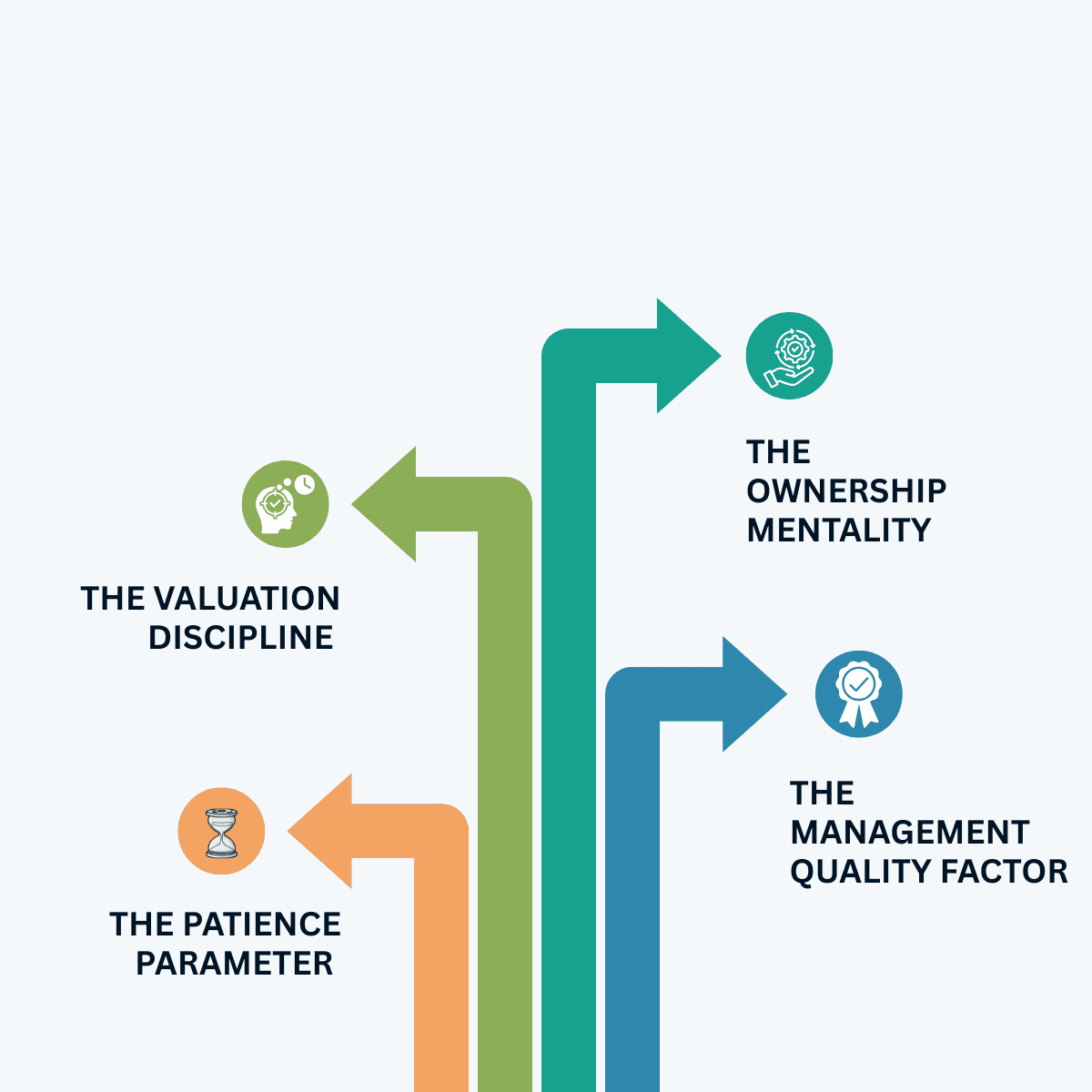
Investment Principles Embedded in the Portfolio
What Retail Investors Can Learn?
Here are some of the pointers for retail investors.
Scalable Strategies: Retail investors can copy parts of Jhunjhunwala’s style. Focus on stocks you believe in, keep a balanced sector mix, and pick quality companies.
Concentration Calculations: Find your own mix of focus and spread. Jhunjhunwala’s portfolio shows you can have favourable positions and still be diversified if you manage risk well.
Sector Selection: Use his sector choices as a guide. Look for sectors with strong growth drivers, such as consumer goods, finance, healthcare, and infrastructure.
Monitoring Methodology: Jhunjhunwala reviewed his portfolio regularly but didn’t react to every market move. Retail investors should set review times, avoid knee-jerk changes, and rebalance only when fundamentals or prices change significantly.
Jhunjhunwala’s legacy is not just about his wealth; it also includes the valuable advice he shared. This advice continues to help investors in India’s markets.
You don’t need to match his scale, but following his principles can improve your investment results.
Conclusion
Rakesh Jhunjhunwala’s investment strategy shows us how to mix strong beliefs with a variety of investments, be patient while also being adaptable, and keep an eye on prices while focusing on growth. His experience demonstrates how smart investment choices can benefit from India's growth.
For retail investors, his portfolio provides important lessons on choosing quality companies, diversifying across sectors, holding investments with confidence, and adapting carefully to changes.